
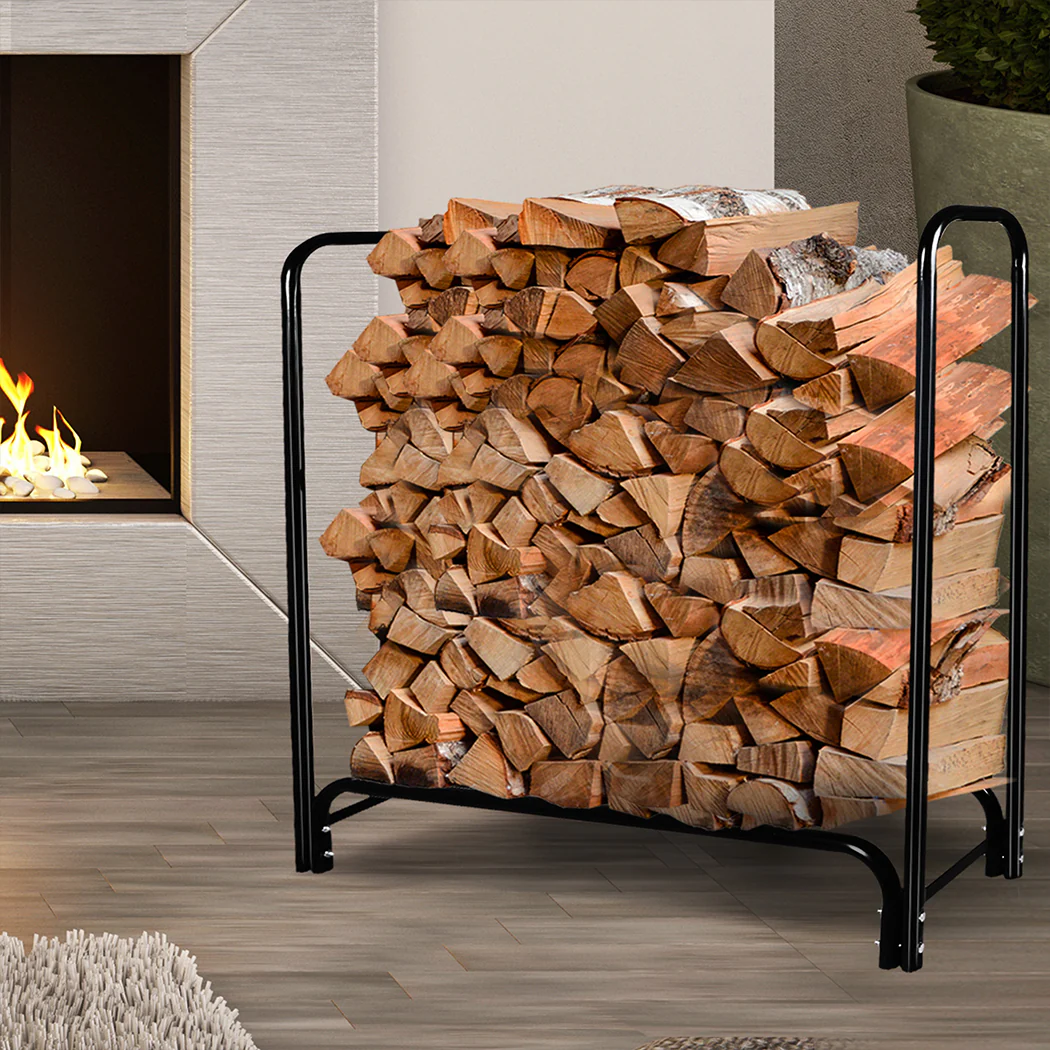
The best setup depends on climate, space, and how often they burn. But the core rules stay the same: elevate it, cover it correctly, let air move, and store the right amount in the right place.
What makes firewood “well-stored” in the first place?
Proper firewood storage keeps wood dry enough to burn efficiently while protecting it from rot, mold, and pests. It also ensures the stack is placed and arranged in a way that reduces fire risk and helps prevent accidents such as collapsing piles.
In practice, that means airflow, sun exposure, and separation from buildings. It also means choosing seasoned wood and keeping it off the ground.
Where should they store firewood for the best drying results?
The best location is typically outdoors in an open, sunny, breezy spot. Sun and wind pull moisture out faster than shade and still air.
They should avoid low areas where damp air lingers and avoid placing stacks under dense trees. If they can position the stack so prevailing winds hit the long side, drying improves.
How far from the house should firewood be stored?
A safe rule is to store the main stack several feet away from the home, not against siding or directly beside doors. Space helps reduce pest migration and lowers the chance that a small ignition becomes a structure fire.
If they want convenience, they can bring in a small day-use amount. The bulk supply should stay outside and away from anything combustible.
Should firewood be kept off the ground, and how?
Yes, because ground contact wicks moisture into the wood and accelerates rot. Elevating the stack also improves airflow underneath.
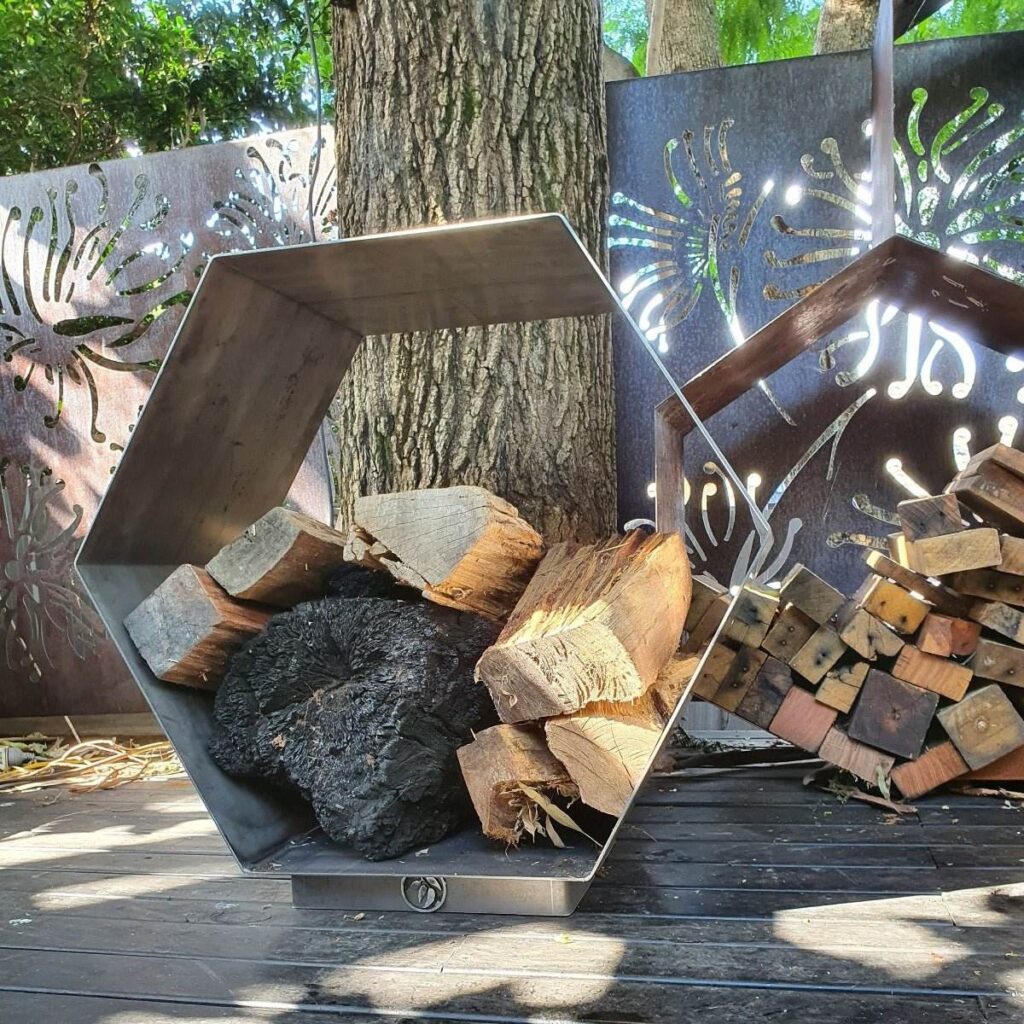
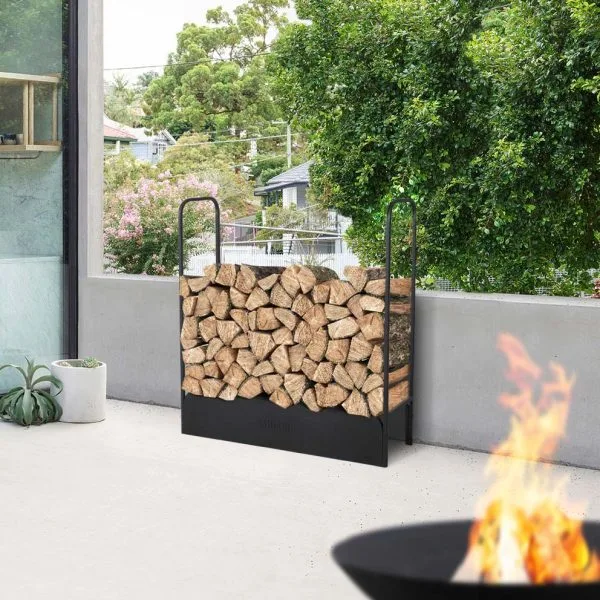
They can use pallets, pressure-treated runners, a metal rack, or concrete blocks with rails. The goal is simple: keep the bottom row dry and stable while letting air circulate.
Should they cover firewood, and what’s the right way to do it?
They should cover the top, not the sides. Covering only the top sheds rain and snow while still allowing wind to dry the stack.
A tarp works if it is secured and leaves the lower sides open. Better options include a purpose-built wood cover, a sheet of roofing metal, or a lean-to style top that overhangs slightly.
How should firewood be stacked for stability and airflow?
A stable stack is tight enough to stand but loose enough to breathe. Good airflow between pieces speeds seasoning and reduces mold.
They should stack bark side down when possible, keep rows straight, and avoid leaning towers. Ends can be supported with end brackets, crisscrossed “log cabin” ends, or posts, especially for taller stacks.
How long should firewood season before they burn it?
Most firewood performs best after it seasons for roughly 6 to 18 months, depending on species, split size, and climate. Denser hardwoods often take longer, while softer woods can dry faster.
They should split wood soon after cutting, because whole rounds dry slowly. Seasoned wood typically has cracks on the ends, feels lighter, and sounds sharper when two pieces are knocked together.
How can they tell if firewood is dry enough without guessing?
A moisture meter is the simplest way to remove doubt. They should split a piece and test the freshly exposed inner face rather than the outer surface.
Many stoves and manufacturers recommend firewood around 20 percent moisture content or less. If it hisses, smolders, or blackens the glass quickly, it may still be too wet.
Is it safe to store firewood indoors?
Storing large amounts indoors is usually a bad idea because it invites insects and can introduce mold spores and extra moisture. It also increases the fuel load inside the home if a fire starts.
A better approach is keeping a small, rotating indoor holder that holds a day or two of wood. The main stack stays outside, and they bring wood in as needed.
How do they prevent termites, ants, and rodents in stored firewood?
Distance and dryness do most of the work. Keeping stacks off the ground, away from the house, and well ventilated discourages pests that prefer damp, sheltered zones.
They should avoid stacking wood directly against fences, sheds, or trees that can act as bridges. Regularly using older wood first also helps, because long-neglected stacks become better habitat.
What are the biggest fire safety mistakes people make with firewood?
The most common mistakes are stacking firewood against the home, piling it near grills or fire pits, and keeping large quantities in garages or basements. Another issue is building unstable stacks that can fall onto people, pets, or property.
They should also avoid storing firewood under decks where embers can land and smolder unnoticed. Convenience matters, but safe distance matters more.
What storage setup works best for long-term longevity?
For long-term storage, they should prioritize airflow and a top cover while keeping the stack elevated. A dedicated rack or a simple base plus a solid top cover often beats fully enclosed sheds for drying.
If they use a wood shed, it should have wide vents or open sides. Fully sealed sheds can trap humidity and slow seasoning, especially in wetter climates.
How should they rotate firewood through the seasons?
They should treat firewood like a simple inventory system: oldest and driest gets used first. If they add new wood, it goes behind or beside the older stack rather than on top of it.
Labeling stacks by year, or keeping separate bays, prevents accidental burning of greener wood. It also reduces the chance they get stuck with a pile that never fully seasons.
FAQs (Frequently Asked Questions)
What are the key principles for storing firewood properly?
Proper firewood storage focuses on keeping the wood dry and safe. This involves elevating the wood off the ground, covering it correctly to protect from rain while allowing airflow, ensuring good ventilation, and storing an appropriate amount away from structures to reduce fire risk and pest issues.
Where is the ideal location to store firewood for optimal drying?
The best place to store firewood is outdoors in an open, sunny, and breezy area. Sunlight and wind help pull moisture out of the wood faster than shaded or still locations. Avoid low spots where damp air collects and dense tree cover that blocks airflow.
How far should firewood be stored from a house for safety?
Firewood should be stored several feet away from the home, not directly against siding or near doors. This spacing reduces pest migration into the house and lowers the risk of a small ignition causing a structure fire. A small day-use amount can be kept closer for convenience.
Why should firewood be kept off the ground, and how can this be done effectively?
Keeping firewood off the ground prevents moisture wicking from soil that leads to rot and mold. Elevation also improves airflow underneath the stack. Effective methods include using pallets, pressure-treated runners, metal racks, or concrete blocks with rails to keep the bottom row dry and stable.
What is the correct way to cover firewood stacks?
Firewood stacks should be covered only on top to shed rain and snow while leaving sides open for air circulation. Suitable covers include secured tarps that leave lower sides exposed, purpose-built wood covers, roofing metal sheets, or lean-to style tops with slight overhangs.
How long should firewood season before burning, and how can you tell when it’s ready?
Most firewood seasons best between 6 to 18 months depending on species, split size, and climate. Wood is ready when it has cracks on ends, feels lighter, and produces a sharp sound when pieces knock together. Using a moisture meter to confirm moisture content around 20% or less ensures optimal dryness for burning.
See Also: Green waste pickup: what’s included in the service?