This guide explains when emergency tree removal in Sydney is needed immediately, and when it may be safe to wait.
Is the tree posing an immediate risk to people or property?
If the tree could reasonably strike a person, a home, a fence, a car, or a neighbour’s garden, they should not wait. In those cases, emergency tree removal in Sydney is about preventing harm, not tidying up.
Typical red flags include a tree leaning further than it used to, large limbs hanging over access paths, or visible movement in the root plate. If they cannot confidently rule out impact within hours, they should call for help.
Has the tree failed already, or is it “hung up” in another tree?
If a tree has partially fallen and is resting in another canopy, it is unstable and unpredictable. People should keep well clear and stop others entering the area.
A “hung-up” tree can shift with a gust, vibration, or even moisture changes overnight. That is exactly the scenario where emergency tree removal Sydney is justified because the next movement can be the dangerous one.
Are there signs the roots or base have let go?
Root failure is one of the clearest reasons not to delay. They should look for heaving soil, lifted turf, new gaps around the trunk, or cracking noises from the base.
If the ground around the trunk looks raised or freshly split, the tree may be close to toppling. In that situation, emergency tree removal in Sydney is usually the correct call, even if the trunk still looks upright.
Is the tree close to power lines or has it made contact?
If any part of the tree is touching power lines, they should treat the area as live and dangerous. They should keep everyone away and contact the electricity distributor first, then a qualified arborist.
They should never attempt to cut or move limbs near lines themselves. Where electrics are involved, emergency tree removal in Sydney often requires coordinated, safety-controlled work.
Can they safely isolate the area until a scheduled visit?
It may be safe to wait if they can fully restrict access and the risk is genuinely low. That means nobody walks under it, parks under it, or uses nearby gates, driveways, or paths.
However, “safe to wait” is rare in shared spaces, rental properties, strata blocks, and anywhere children or visitors could wander in. If isolation is not realistic, emergency tree removal in Sydney is the safer route.
Is it just debris on the ground, rather than a standing hazard?
If the only issue is branches already on the lawn and the remaining tree is stable, they may be able to wait. Ground debris can be inconvenient, but it is usually less urgent than an overhead failure risk.
Even then, they should check for torn limbs still attached and hanging, and for cracks extending into the trunk. If there is any doubt about stability, emergency tree removal in Sydney should be considered.
Do cracks, splits, or sudden lean changes suggest imminent failure?
Fresh vertical splits, deep cracks at unions, or a lean that appeared quickly after wind or rain can signal structural failure. These are not “watch and see” symptoms, because trees can drop large sections without warning.
If they notice rapid change over hours, they should assume the risk is escalating. That is a common trigger for emergency tree removal in Sydney, especially after storms.
Could council rules, neighbours, or insurance affect the decision?
They may worry about approvals, but safety comes first. In urgent scenarios, arborists can often document hazards with photos and written notes to support later reporting.
They should also consider insurance: delaying when there is clear risk can complicate claims if damage occurs. If a hazard is evident, emergency tree removal in Sydney is typically easier to justify than a delayed response after an avoidable incident. Check out more about trees in Victoria.
What should they do while waiting for an arborist?
They should keep people away, move vehicles if safe, and avoid using doors, driveways, or paths beneath the canopy. They should not climb ladders, use chainsaws overhead, or try to “pull” limbs down with ropes.
They should take clear photos from a safe distance and note any changes in lean, cracks, or sounds. If conditions worsen, they should upgrade the situation to emergency tree removal in Sydney straight away.
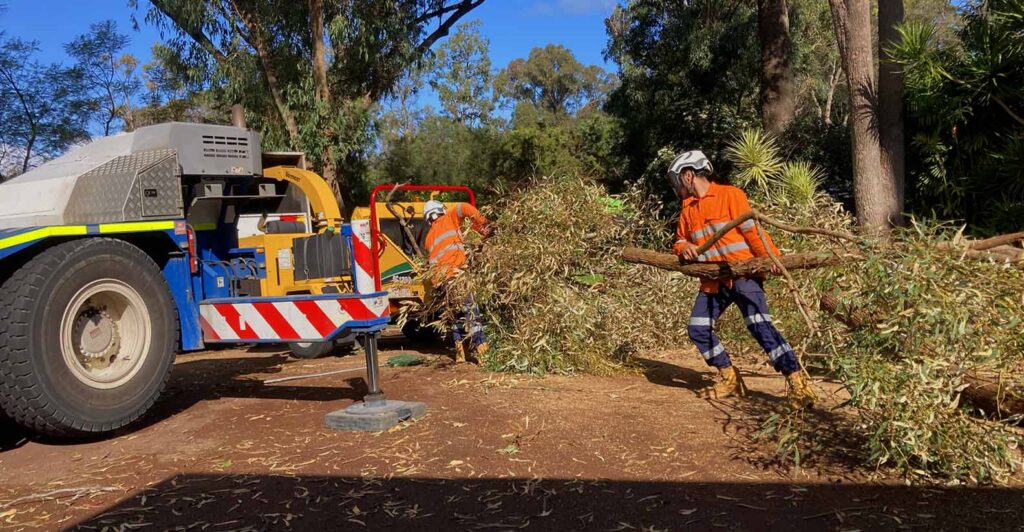
When is it genuinely safe to wait until normal hours?
It may be safe to wait when the tree is well away from people and buildings, there are no power lines nearby, there is no fresh lean or root heave, and the damage is limited to small deadwood. They should still arrange an inspection because hidden fractures and weakened unions can fail later.
If they cannot meet those conditions confidently, emergency tree removal in Sydney is the safer choice.
How can they make the final call quickly?
They should ask one practical question: “If it falls in the next 12 hours, could it hurt someone or hit something valuable?” If the answer is yes, they should treat it as urgent.
That mindset prevents the most common mistake, which is underestimating how quickly a compromised tree can fail. When risk is present, emergency tree removal in Sydney is not overreacting; it is responsible.
Related : Tree Pruning in Sydney: Expert Techniques for Improving Tree Health and Safety