
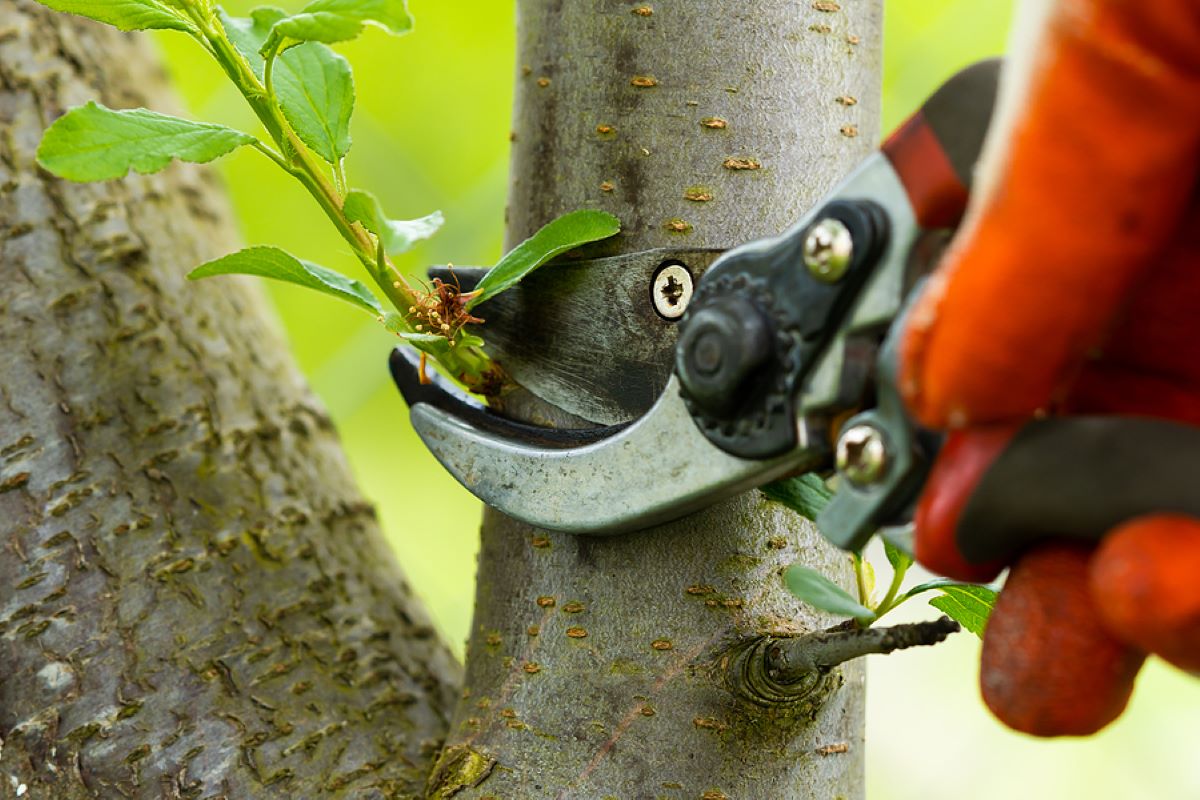
Because Tree Pruning in Sydney also affects neighbours, footpaths, and property safety, they should approach it with a clear plan and, where needed, qualified help.
What does Tree Pruning in Sydney actually involve?
Tree Pruning Sydney involves selectively removing branches to improve clearance, structure, airflow, light penetration, and safety. The aim is not to “cut it back”, but to guide healthy growth while reducing risk.
They typically prune for deadwood removal, crown lifting over accessways, crown thinning in dense canopies, and structural correction of weak unions.
Why is correct pruning essential for tree health?
Correct pruning helps trees allocate energy to strong, well-placed growth and reduces the chance of disease entering through poor cuts. It also limits rubbing branches, crowded canopies, and weak attachments that can fail later.
With Tree Pruning in Sydney, they should prioritise small, precise cuts that preserve the branch collar, since clean healing depends on proper technique.
Which pruning techniques improve safety around homes and streets?
Safety-focused pruning targets defects that could fail in wind, storms, or heavy rain. That includes removing dead limbs, reducing weight on long lateral branches, and correcting co-dominant stems where splitting is more likely.
In Tree Pruning in Sydney, they often prune for clearance over driveways, roofs, powerlines, and pedestrian areas to reduce foreseeable risk.
When should they prune trees in Sydney’s climate?
Timing depends on species, age, and pruning goal, but many trees respond best when pruned outside peak stress periods. Avoiding extreme heat and drought reduces shock and helps recovery.
For Tree Pruning in Sydney, they should also consider flowering and fruiting cycles, plus local pest and disease pressure that can increase after pruning.
How can they tell what to remove and what to keep?
They should remove dead, diseased, damaged, and crossing branches first, then assess structure. The best candidates are branches with poor angles, weak attachments, or growth that crowds the centre.
Tree Pruning in Sydney works best when they keep the healthiest scaffold limbs, maintain a balanced canopy, and avoid over-thinning that exposes inner bark to sunburn.
What are the most common pruning mistakes that harm trees?
Topping is one of the worst mistakes, because it creates weak regrowth and large wounds that decay. Flush cuts are also harmful, as they remove the branch collar and slow natural sealing.
With Tree Pruning in Sydney, they should avoid removing too much canopy at once, since heavy pruning can trigger stress, epicormic shoots, and long-term decline.
How much can they prune without stressing the tree?
A common guideline is to avoid removing more than about 20–25% of live canopy in one session, though some species tolerate less. Younger trees may handle formative pruning better than mature trees.
For Tree Pruning in Sydney, they should use staged pruning over multiple seasons when major structural change is needed.
How does pruning reduce storm damage and branch failure?
Pruning can reduce wind resistance by removing deadwood and selectively thinning crowded areas, while keeping the overall structure intact. Weight reduction cuts on over-extended limbs can also lower leverage at weak unions.
In Tree Pruning in Sydney, they often focus on improving branch spacing and attachment strength so the canopy flexes rather than snaps. Check out more Tree Pruning Guide.
Do they need council approval or an arborist for pruning?
In many areas, significant work on protected trees may require permission, especially for heavy pruning or work on heritage-listed specimens. They should check local council rules before starting.
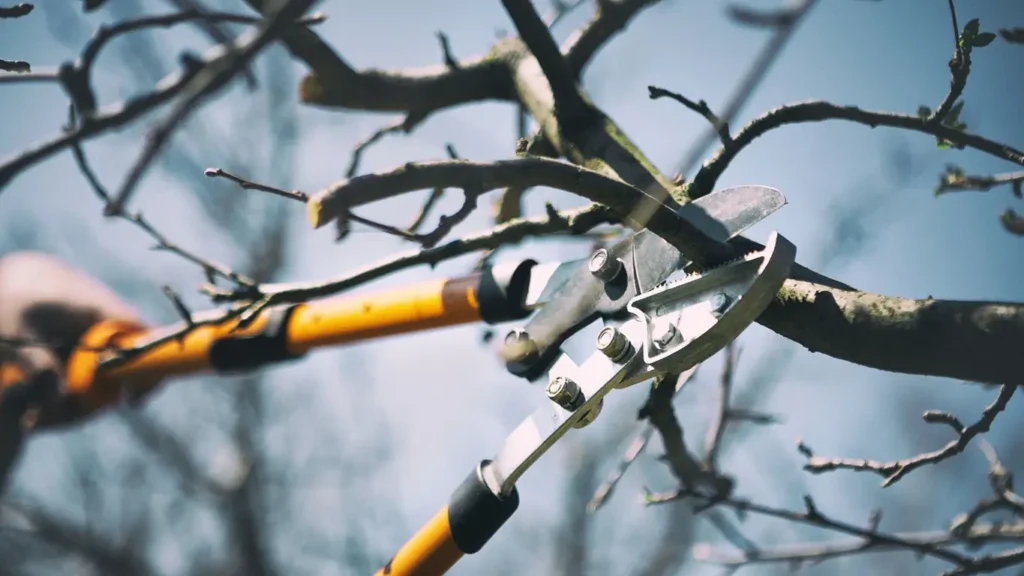
For Tree Pruning in Sydney, a qualified arborist is most useful when there are targets below, visible defects, large limbs involved, or uncertainty about the safest cut plan.
What should they expect after professional pruning?
A well-pruned tree should look natural, not stripped. They should expect improved clearance, better canopy balance, and fewer dead or rubbing branches, with minimal visible wounding.
After Tree Pruning in Sydney, they should monitor for stress signals like excessive shoot growth, leaf drop, or dieback, and plan follow-up care if conditions are dry.
How can they maintain results between pruning visits?
Mulching, correct watering during dry periods, and avoiding root damage all support recovery and reduce future defects. They should also keep an eye on new growth that creates crowding or weak attachments.
For Tree Pruning in Sydney, a light, regular maintenance cycle usually produces safer trees than infrequent, heavy cutting. Check out more about emergency tree removal in Sydney and when it may be safe to wait.
What is the simplest way to choose the right pruning approach?
They should match the method to the goal: formative pruning for young trees, hazard reduction for mature ones, and clearance pruning where people and property are exposed. If the risk is high, they should prioritise expertise over speed.
Tree Pruning in Sydney delivers the best health and safety outcomes when they focus on selective cuts, correct timing, and long-term structure rather than short-term appearance.